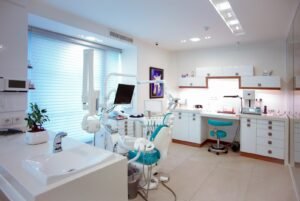
“Is Costa Rica safe for dental tourism?” is a reasonable question — and the most useful answer is not a simple yes or no.
Safety in an international dental journey has several layers: destination safety, clinical safety, transportation, hotel selection, medication planning, postoperative support, and follow-up after you return home.
Costa Rica is an established international tourism destination with mature visitor infrastructure, private healthcare services, and experience serving patients from the United States and Canada. At the same time, it is still an international destination where normal travel precautions matter.
SmileBridge Costa Rica helps patients reduce avoidable uncertainty by organizing the non-clinical parts of the journey and connecting them with selected dental implant clinics.
Is Costa Rica Safe for International Travelers?
The Costa Rican Tourism Board describes Costa Rica as a welcoming destination and recommends ordinary precautions such as protecting valuables, using official transportation, avoiding unnecessary nighttime driving in rural areas, and following local safety guidance. It also notes that Costa Rica has a Tourist Police unit dedicated to assisting visitors. Visit Costa Rica: Safety Information.
The U.S. Department of State currently lists Costa Rica at Level 2: Exercise Increased Caution due to crime. It advises travelers to stay aware of their surroundings, avoid isolated areas at night, protect valuables, and review current travel guidance before departure. U.S. Department of State: Costa Rica Travel Advisory.
That is a more useful framework than claiming any destination is “perfectly safe.”
Destination Safety Is Only One Part of Medical Travel Safety
For a dental patient, safety also means:
- knowing who is treating you;
- understanding the treatment plan;
- confirming professional credentials;
- understanding medications and medical history;
- having transportation after surgery;
- staying close enough to the clinic for follow-up;
- knowing who to contact if something changes;
- having records for future care.
Verify the Dental Professionals
Dentists practicing in Costa Rica must be incorporated into the Colegio de Cirujanos Dentistas de Costa Rica.
The professional college maintains a public directory that allows patients to search dentists by name, professional code, and specialty. Colegio de Cirujanos Dentistas de Costa Rica: Official Dentist Directory.
The college also states that dental clinics must have a registered professional responsible for compliance with applicable professional rules. Colegio de Cirujanos Dentistas: Dental Clinics.
Patients should still evaluate experience, training, treatment focus, communication, and clinical protocols rather than relying on licensure alone.
Ask Who Is Performing Each Part of the Treatment
Complex implant treatment may involve more than one professional.
Ask:
- Who performs the implant surgery?
- Who designs the final prosthesis?
- Who manages bone grafting?
- Who handles sedation?
- Who sees me for follow-up?
- Who should I contact after I return home?
A clear treatment plan should identify the clinical responsibilities of the team.
Look Beyond the Advertised Price
A low headline price does not tell you whether a treatment plan is safe, complete, or appropriate.
Patients should understand:
- diagnostic imaging;
- number and type of implants;
- implant brand;
- temporary and final prostheses;
- bone grafting;
- sedation;
- follow-up;
- management of complications;
- what happens if an implant fails to integrate.
See Dental Implant Cost in Costa Rica for guidance on comparing complete treatment proposals.
Ask About Infection-Control and Clinical Protocols
Patients have every right to ask how a clinic manages:
- instrument sterilization;
- operatory cleaning;
- surgical protocols;
- medication management;
- emergencies;
- postoperative follow-up.
Do not assume that an attractive website is evidence of clinical quality.
Choose Transportation Carefully
After surgery, especially with sedation or extensive full-arch treatment, driving yourself is often not practical.
A safer and simpler approach may include prearranged transportation for:
- airport pickup;
- hotel transfer;
- surgical appointments;
- follow-up visits;
- pharmacy stops;
- return to the airport.
The Costa Rican Tourism Board recommends official transportation and sensible visitor precautions. Visit Costa Rica: Visitor Safety.
Hotel Location Matters
A hotel that is too far from the clinic can make recovery more difficult.
For major implant treatment, consider staying:
- near the clinic;
- near pharmacies and food;
- in an established hotel area;
- where transportation is easy to coordinate;
- where a companion can remain comfortably.
For many patients, the Greater San José area offers a practical concentration of those services. See Why San José Is a Practical Base for Dental Implant Treatment.
Protect Your Medications and Medical Information
Bring a complete medication list, allergy information, relevant medical history, and enough of your regular prescriptions for the trip.
Do not stop prescribed medications without appropriate medical advice.
Major implant treatment should be planned with a full understanding of conditions such as diabetes, cardiovascular disease, anticoagulant use, allergies, and other factors that may affect surgery or healing.
Understand the Recovery Plan Before Surgery
Before treatment begins, know:
- what discomfort is expected;
- what medications the clinic will prescribe;
- what diet is recommended;
- how many postoperative visits are needed;
- what symptoms require urgent evaluation;
- when you may fly home;
- who you contact after hours.
For major procedures, the safest trip is usually the one that leaves enough time for proper follow-up rather than the shortest possible itinerary.
What If There Is a Medical Emergency?
Costa Rica’s national emergency number is 9-1-1.
The San José metropolitan area also has major private hospitals and specialized medical services.
Hospital CIMA San José, for example, holds Joint Commission International accreditation and offers emergency, surgical, diagnostic, intensive-care, and international-patient services. Hospital CIMA: Accreditations.
This does not replace the clinic’s own emergency planning, but broader medical infrastructure can be reassuring for international patients.
Do Not Ignore Follow-Up After You Return Home
One of the most important concerns in dental tourism is continuity of care.
CareQuest Institute specifically warns that international dental travel can involve challenges with follow-up and differences in safety standards. CareQuest Institute: Dental Tourism among U.S. Adults.
Before treatment, ask:
- What records will I receive?
- What implant brand and model will be used?
- What happens if I have a problem after returning home?
- Can the clinic communicate with my dentist at home if needed?
- How are future maintenance and prosthetic repairs handled?
Travel Insurance and Dental Treatment
Do not assume that ordinary travel insurance covers elective dental procedures or complications related to planned treatment abroad.
Review the policy carefully and ask the insurer direct questions before relying on coverage.
The Tico Times has noted that standard travel insurance may exclude elective procedures undertaken abroad, which is one reason patients should understand coverage before departure. The Tico Times: Costa Rica Medical Tourism.
Personal Safety During Recovery
After surgery, patients may be tired, taking medication, or less attentive than usual.
Simple precautions can help:
- do not display large amounts of cash;
- keep passports and valuables secure;
- use planned transportation;
- avoid isolated areas at night;
- do not leave phones or bags visible in vehicles;
- keep emergency contact information accessible.
Should You Travel Alone?
Some patients travel alone successfully. Others benefit from a companion.
A companion may be particularly helpful when treatment involves:
- sedation;
- multiple extractions;
- full-arch implants;
- bone grafting;
- mobility issues;
- significant medical history.
If you are considering a solo trip, read Traveling Alone for Dental Implants in Costa Rica.
Safety Comes From Planning, Not Blind Trust
No destination, clinic, or procedure should be approached with blind trust.
Confidence comes from verification:
- verify the dental team;
- understand the treatment plan;
- ask about risks;
- confirm transportation;
- stay near the clinic;
- allow enough recovery time;
- keep records;
- understand follow-up.
That approach is much stronger than simply asking whether Costa Rica is “safe.”
How SmileBridge Helps Reduce Uncertainty
SmileBridge Costa Rica does not guarantee clinical outcomes and is not a dental clinic.
Our role is to help international patients navigate the non-clinical journey more clearly.
SmileBridge can help:
- connect patients with selected dental implant clinics;
- organize preliminary information;
- prepare questions;
- coordinate appointments;
- help plan accommodations;
- coordinate private transportation;
- support patients traveling alone or with companions;
- provide a familiar non-clinical point of contact.
For the broader destination overview, see Dental Tourism in Costa Rica.
Frequently Asked Questions About Safety and Dental Tourism in Costa Rica
Is Costa Rica safe for dental tourists?
Costa Rica is an established international tourism destination, but travelers should use normal precautions. The U.S. Department of State currently lists Costa Rica at Level 2: Exercise Increased Caution due to crime.
How can I verify a dentist in Costa Rica?
The Colegio de Cirujanos Dentistas de Costa Rica maintains an official public directory where patients can search dentists by name, professional code and specialty.
Should I choose a dental clinic based on price?
No. Price is only one factor. Patients should evaluate professional credentials, diagnosis, imaging, implant systems, treatment planning, materials, follow-up and complication management.
Is private transportation recommended after dental surgery?
It can simplify the journey, especially after sedation, full-arch surgery or multiple extractions. The treating clinic should advise whether you need an escort after specific procedures.
What should I do if I have a medical emergency in Costa Rica?
Costa Rica’s national emergency number is 9-1-1. Patients should also keep clinic contacts, SmileBridge contacts, insurance information and hotel details accessible.
Will travel insurance cover my dental treatment?
Do not assume it will. Many ordinary travel policies exclude planned elective treatment or complications related to it. Review the policy and ask the insurer directly.
What happens if I have a problem after I return home?
Ask the clinic about follow-up before treatment begins. Keep complete records, implant-system information and contact details, and understand how the clinic handles remote communication and future maintenance.
How can SmileBridge help make the trip more organized?
SmileBridge Costa Rica helps international patients connect with selected clinics and coordinate non-clinical logistics such as appointments, accommodations, transportation and general journey support.
Related SmileBridge Guides
- Dental Tourism in Costa Rica
- First-Time Patient Guide
- Why San José Is a Practical Base
- Dental Treatment and Recovery in Costa Rica
Travel note: Travel advisories and local conditions can change. Review current guidance before departure.
Medical note: This article is for general educational purposes and does not replace clinical evaluation, professional advice, or individualized treatment recommendations.